Is Your Basement Hiding Dangerous Mold in Holly Springs?
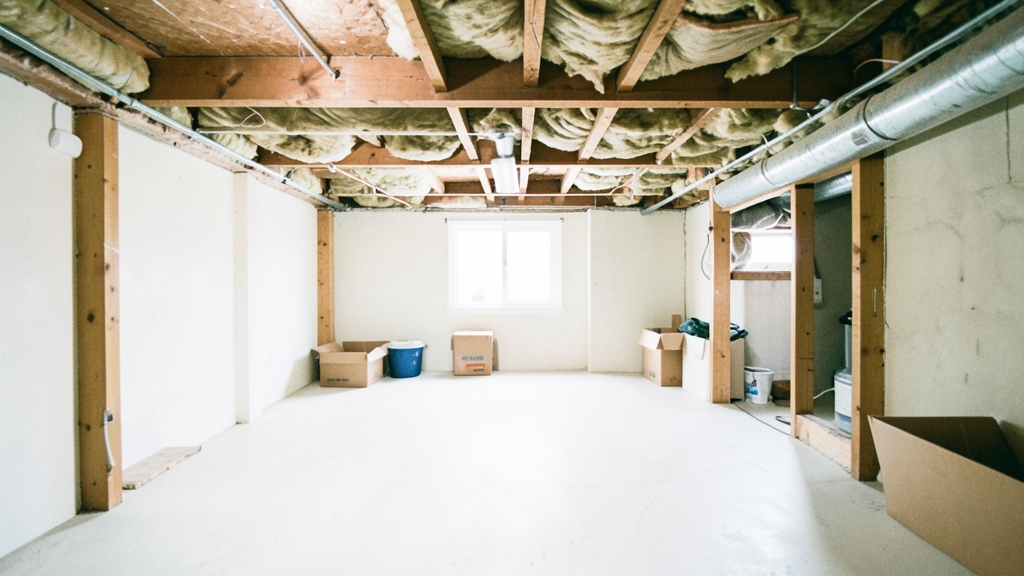
Basements in our area often trap humidity from the warm, wet North Carolina summers and the damp springs we know too well. That lingering moisture isn’t just musty—it’s an open invitation for mold colonies to take root behind walls, under carpet, or across concrete. Left unchecked, what starts as a faint odor can grow into a serious indoor air quality threat.
Why Basements in Our Region Are Mold Magnets
Holly Springs sits in a humid subtropical zone where warm air meets cool basement surfaces, creating condensation that feeds mold. Poor grading around the home or cracked foundations can also funnel groundwater inside, accelerating growth.
Older homes in neighborhoods like Sunset Ridge or Green Oaks often lack modern vapor barriers or proper drainage, making basements even more vulnerable. Even newer builds can suffer if the HVAC isn’t sized right for our climate’s humidity swings.
The Silent Signs of Basement Mold You Might Be Missing
Mold doesn’t always announce itself with black splotches. Early clues include a persistent earthy or sour smell, especially after rain. Allergic reactions—sneezing, itchy eyes, or skin irritation—that worsen downstairs are another red flag.
Peeling paint, warped baseboards, or efflorescence (white mineral deposits) on walls often signal excess moisture. Check behind stored boxes, under rugs, and around utility pipes where airflow is limited and spores thrive.
Subtle Mold Indicators
- Musty odor that lingers after cleaning
- Unexplained allergy symptoms when in the basement
- Discoloration on drywall, insulation, or cardboard
- Condensation on windows or pipes
- Cracked or bubbling paint on masonry
Common Basement Mold Types and Their Risks
Cladosporium appears as green, brown, or black spots on wood or fabrics and triggers asthma-like symptoms. Aspergillus, often yellow-green, can produce mycotoxins harmful to immune-compromised individuals.
Black mold (Stachybotrys) thrives on cellulose like drywall and requires prolonged moisture. While not all black mold is toxic, its presence usually indicates a severe, long-standing issue that demands professional remediation.
| Mold Type | Appearance | Common Surfaces | Health Risks |
|---|---|---|---|
| Cladosporium | Green, brown, or black spots | Wood, fabric, carpet | Asthma, sinusitis, skin rash |
| Aspergillus | Yellow-green, powdery | Drywall, insulation, dust | Respiratory infections, allergic reactions |
| Stachybotrys (Black Mold) | Dark green/black, slimy | Drywall, ceiling tiles, wood | Chronic cough, headaches, immune suppression |
| Penicillium | Blue-green, fuzzy | Insulation, wallpaper, ductwork | Sinus inflammation, lung irritation |
How Moisture Moves Through Your Basement
Water intrusion isn’t always dramatic. Capillary action pulls moisture up through concrete walls and floors—a process called rising damp. Poorly sealed windows or gaps around utility lines also let humid air in.
In areas like Fuquay-Varina or Apex, clay-heavy soil retains water longer, increasing hydrostatic pressure against foundations. Without proper French drains or sump pumps, that pressure forces water through cracks.
Even a small leak in a basement bathroom or laundry room can saturate adjacent materials. Mold can spread within 24–48 hours of water exposure, often before you notice the damage.
DIY Mold Testing vs. Professional Inspection
Home test kits can confirm mold presence but won’t identify the species, spore count, or source. They also can’t assess whether mold has spread into HVAC ducts or wall cavities, which is common in basements.
Our team uses thermal imaging, moisture meters, and air quality testing to map the full extent of contamination. This data is critical for creating a remediation plan that prevents recurrence, especially in older homes with complex layouts.
When Basement Mold Requires Professional Remediation
If mold covers more than 10 square feet, or if it’s in your HVAC system, professional remediation is non-negotiable. Disturbing large colonies without containment can release spores into living areas, worsening contamination.
We also recommend calling experts for mold in hard-to-reach areas like crawl spaces or behind finished walls. In Cary or Willow Spring, many basements share walls with crawl spaces, allowing mold to migrate between zones undetected.
Proper remediation uses negative air pressure and HEPA filtration to prevent spores from spreading during cleanup. This isn’t achievable with household fans or shop vacs.
Preventing Mold Before It Starts
Controlling humidity is the first line of defense. A dehumidifier rated for basements (50–60 pints/day) can keep levels below 50%, the threshold where mold struggles to grow. Ventilate with fans or open windows during dry spells.
Seal cracks in walls and floors with hydraulic cement or epoxy. In finished basements, use moisture-resistant materials like paperless drywall and closed-cell insulation. For homes in flood-prone areas, consider a sump pump with a battery backup.
The Cost Factors Behind Basement Mold Remediation
Remediation costs depend on the size of the affected area, mold type, and whether structural materials need removal. Accessibility plays a role too—mold in a open concrete basement is easier to treat than in a finished space with drywall and insulation.
Additional services like air duct cleaning, crawl space encapsulation, or waterproofing add to the scope but prevent future issues. For an accurate estimate, we always start with a thorough inspection and moisture mapping. Request a quote to understand your specific needs.
How to Inspect Your Basement for Mold
A systematic check can reveal hidden mold before it becomes a major problem.
- 1Gather Tools
Use a flashlight, moisture meter (if available), and a screwdriver to probe suspicious areas. Wear an N95 mask and gloves to avoid inhaling spores or touching contaminated surfaces.
- 2Check for Odors
Start at the basement entrance and note any musty smells. Follow the odor to its strongest point—mold often hides behind furniture or in corners with poor airflow.
- 3Inspect Walls and Floors
Look for discoloration, staining, or peeling paint, especially near baseboards, pipes, and windows. Tap drywall—hollow or soft spots may indicate moisture damage.
- 4Examine Stored Items
Cardboard boxes, fabric, and paper are mold magnets. Check for spots or dust-like growth on stored belongings, and remove anything damaged to prevent further contamination.
- 5Test for Moisture
Use a moisture meter on walls, floors, and ceilings. Readings above 15–20% indicate excess moisture. Alternatively, tape a square of plastic to a suspect area; condensation underneath after 24 hours confirms a moisture issue.
- 6Document Findings
Take photos and notes of any signs of mold or water damage. This helps professionals assess the scope and create a targeted remediation plan.
Frequently Asked Questions
Can basement mold affect the rest of my Holly Springs home?
Absolutely. Mold spores travel through air currents, HVAC systems, and even on clothing. If your basement has mold, spores can spread upstairs, contaminating living areas. This is why containment and professional air quality testing are critical.
Is black mold more dangerous than other types?
Black mold (Stachybotrys) can produce mycotoxins that pose health risks, especially with long-term exposure. However, all mold should be treated seriously—some individuals react strongly to common molds like Aspergillus or Penicillium as well.
Will a dehumidifier alone solve my basement mold problem?
A dehumidifier helps by reducing moisture, but it won’t kill existing mold or address the root cause, such as leaks or poor ventilation. Remediation must include cleaning, removing contaminated materials, and fixing the moisture source to prevent regrowth.
How often should I check my basement for mold?
Inspect your basement at least twice a year—once in the spring after heavy rains and again in the fall before colder, damp weather sets in. If you’ve had past issues or live in a high-risk area like Willow Spring, quarterly checks are wise.
What’s the difference between mold removal and mold remediation?
Removal refers to cleaning or discarding moldy materials, while remediation is a comprehensive process that includes containment, cleaning, drying, and preventing future growth. True remediation addresses the cause, not just the symptoms.
Do I need to leave my home during basement mold remediation?
For small, contained projects, you may not need to relocate. However, for large infestations or if mold is in your HVAC system, temporary evacuation is recommended to avoid exposure to disturbed spores. Our team will advise based on the inspection results.