Mold Remediation Isn’t Complete Without PRV—Here’s Why in Holly Springs
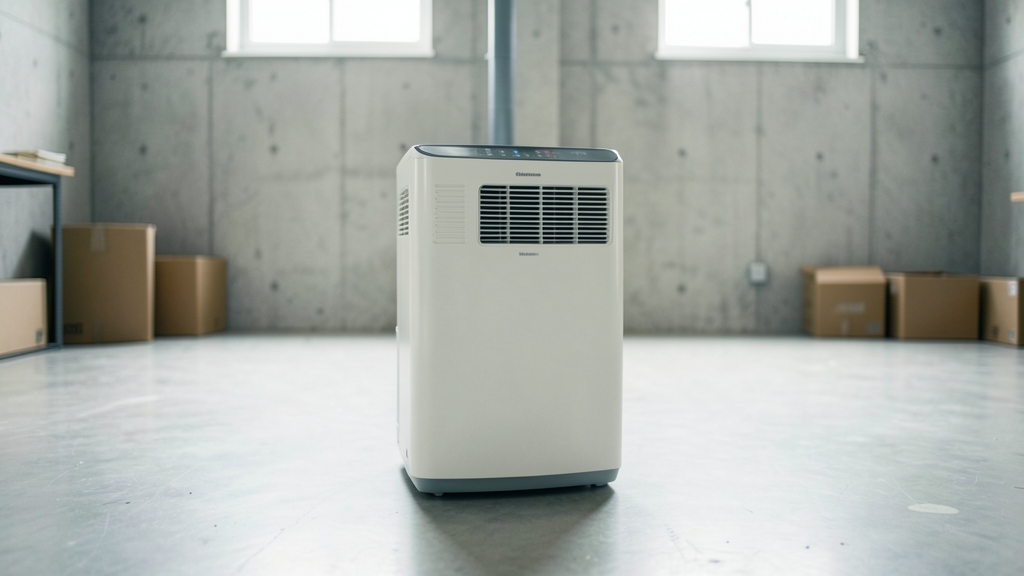
We’ve seen too many homeowners in Holly Springs assume their mold problem is solved once the visible growth is gone. Without Post-Remediation Verification (PRV), you’re gambling with your health and your home’s integrity. PRV is the only way to confirm remediation worked—and that mold won’t return.
What Is Post-Remediation Verification (PRV)?
PRV is the final, non-negotiable step in professional mold remediation. It’s a series of tests and inspections to verify that mold spores and contamination have been reduced to safe, background levels.
Unlike a standard mold inspection, PRV compares post-remediation spore counts to baseline or outdoor levels. If counts remain elevated, the job isn’t done—even if the area looks clean.
Why Holly Springs Homes Need PRV After Mold Remediation
Our humid subtropical climate means mold spores thrive year-round. Without PRV, hidden colonies in attics, crawl spaces, or behind walls can regrow within weeks.
Many neighborhoods near Fuquay-Varina and Apex share similar moisture issues. PRV ensures remediation addressed the root cause, not just the symptoms.
Mold can lurk behind drywall, under flooring, or in HVAC systems. PRV uses air and surface sampling to detect what the eye can’t see.
PRV vs. Standard Mold Inspection: Key Differences
A standard mold inspection identifies problems. PRV confirms they’re resolved. Think of it as the difference between a diagnosis and a clean bill of health.
| Aspect | Mold Inspection | Post-Remediation Verification (PRV) |
|---|---|---|
| Purpose | Identify mold presence and sources | Confirm remediation success |
| Timing | Before remediation | After remediation |
| Sampling | Air, surface, or bulk samples to detect mold | Air and surface samples to compare spore counts |
| Standards | Follows general inspection protocols | Follows IICRC S520 or similar remediation standards |
| Outcome | Report of findings and recommendations | Clearance certificate if criteria are met |
The PRV Process: What to Expect in Your Home
First, our team conducts a visual inspection to ensure all mold and affected materials were removed. Then, we perform air sampling in remediated areas and compare it to outdoor or control areas.
Surface sampling may also be used for hard-to-reach spots. Results are analyzed by an independent lab, and we provide a detailed report—no guesswork, just data.
Common PRV Failures—and How We Fix Them
PRV can fail if remediation missed hidden mold, didn’t address moisture sources, or used inadequate containment. In Willow Spring and Cary, we often see DIY jobs fail PRV due to improper cleaning or drying.
If PRV fails, we don’t walk away. We re-inspect, identify gaps, and re-mediate until spore counts meet safety thresholds. Your clearance certificate confirms our commitment.
Even perfect remediation fails if moisture returns. We always pair PRV with a moisture control plan for crawl spaces, basements, and attics.
How Long Does PRV Take in Holly Springs?
PRV typically takes 24–48 hours for sampling and another 24–72 hours for lab results. Rush services may be available for urgent cases, like before a home sale or after water damage restoration.
The timeline depends on the size of your home and the number of samples required. Larger homes in Apex or Fuquay-Varina may need additional testing zones.
Does PRV Apply to Commercial Properties Too?
Absolutely. Commercial mold remediation in Holly Springs and surrounding areas like Cary requires even stricter PRV protocols. Businesses must meet OSHA and local health department standards to reopen safely.
We tailor PRV for offices, schools, and retail spaces, ensuring air quality meets workplace safety guidelines. Clearance documentation is critical for liability and tenant confidence.
What PRV Can’t Do (And What You Still Need to Watch For)
PRV confirms remediation success at a point in time. It doesn’t prevent future mold if new water intrusions occur. That’s why we recommend annual mold inspections for high-risk homes.
It also doesn’t address structural damage from water or mold. Pair PRV with water damage restoration and moisture control for long-term protection.
Post-PRV Maintenance Checklist
- Monitor humidity levels (keep below 50%)
- Inspect crawl spaces and attics bi-annually
- Address leaks or water damage immediately
- Use dehumidifiers in basements and bathrooms
- Schedule annual air quality testing
How to Prepare for Post-Remediation Verification
A smooth PRV process starts with proper preparation.
- 1Complete All Remediation Steps
Ensure all moldy materials are removed, areas are dried, and antimicrobial treatments are applied. PRV can’t begin until remediation is 100% finished.
- 2Avoid Disturbing the Area
Don’t clean, vacuum, or enter the remediated space before PRV. This can skew spore count results.
- 3Control the Environment
Keep HVAC systems off during sampling to prevent spore redistribution. Close windows and doors in the testing zones.
- 4Provide Access
Clear furniture or storage from areas needing sampling. Our team needs unobstructed access to walls, ceilings, and crawl spaces.
- 5Review the Report
Once lab results return, we’ll walk you through the findings. If PRV passes, you’ll receive a clearance certificate.
Frequently Asked Questions
Is PRV required by law in Holly Springs or North Carolina?
North Carolina doesn’t mandate PRV for residential mold remediation, but it’s a best practice—and often required by insurance or real estate transactions. Commercial properties may have stricter local or federal requirements.
How much does Post-Remediation Verification cost?
Costs vary based on home size, number of samples, and lab fees. Factors include the type of testing (air, surface, or both) and whether rush processing is needed. Request a quote for an accurate estimate.
Can I do PRV myself with a DIY mold test kit?
DIY kits lack the precision and protocols of professional PRV. They don’t account for control samples, proper containment, or IICRC standards. For reliable results, hire a certified mold remediation expert.
What happens if my home fails PRV in Holly Springs?
We’ll identify the cause—whether it’s missed mold, lingering moisture, or inadequate cleaning—and correct it. PRV is repeated until your home meets safety standards. No clearance certificate is issued until it passes.
Does PRV cover attic or crawl space mold remediation?
Yes, PRV is essential for attics and crawl spaces, which are high-risk areas in our climate. We use specialized sampling methods to account for confined spaces and poor ventilation common in Holly Springs homes.
How often should I get mold testing after PRV?
For most homes, annual air quality testing is sufficient. High-risk properties (e.g., past water damage, poor ventilation) may need bi-annual checks. We’ll recommend a schedule based on your home’s history and local conditions.