Protecting Your Kids from Mold-Related Health Risks in Holly Springs
As parents in Holly Springs, we know how quickly humidity and moisture can take hold in our homes—especially during our long, damp summers. Mold growth isn’t just unsightly; it poses real health risks for children, whose developing immune and respiratory systems are far more vulnerable to spores and mycotoxins.
Why Children Are More Vulnerable to Mold Exposure
Children breathe faster than adults, inhaling more air—and potentially more mold spores—per pound of body weight. Their immune systems are still developing, making them less equipped to fight off mold-related irritants.
Young lungs are smaller, so even low levels of exposure can trigger stronger reactions. Asthma, allergies, and chronic sinusitis are common in kids living in mold-contaminated homes.
Common Mold-Related Health Symptoms in Kids
Persistent coughing, sneezing, or a runny nose that doesn’t improve with typical cold treatments may signal mold exposure. Skin rashes, itchy eyes, and throat irritation are also red flags.
More severe cases can lead to asthma attacks, respiratory infections, or even neurological symptoms like headaches and fatigue. Infants and toddlers may show signs of irritability or unexplained fussiness.
| Mild Exposure | Moderate Exposure | Severe Exposure |
|---|---|---|
| Sneezing, itchy eyes | Persistent cough, wheezing | Asthma attacks, chronic sinusitis |
| Skin irritation, mild rash | Headaches, fatigue | Respiratory infections, memory issues |
| Mild congestion | Sore throat, nausea | Neurological symptoms, immune suppression |
Where Mold Hides in Holly Springs Homes
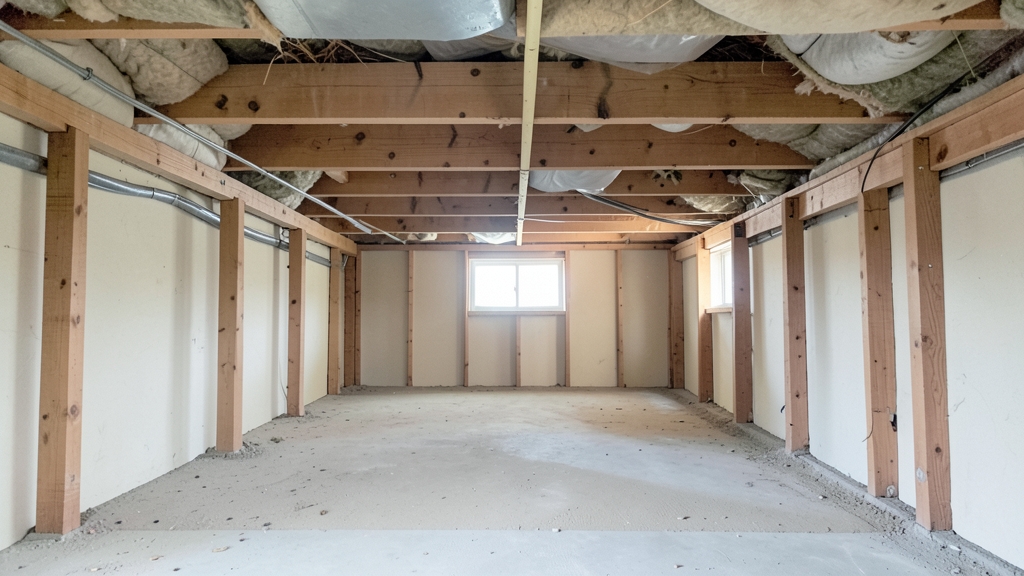
Our region’s high humidity—especially in basements, crawl spaces, and attics—creates ideal conditions for mold. Poor ventilation in bathrooms and kitchens can also trap moisture, leading to hidden growth behind walls or under flooring.
After heavy rains or flooding, water damage in Fuquay-Varina, Apex, or Cary homes often goes unnoticed until mold spreads. Even newer builds in Holly Springs aren’t immune if moisture barriers fail or HVAC systems aren’t maintained.
Mold thrives in areas with poor airflow and consistent moisture. Check under sinks, behind appliances, and in crawl spaces at least twice a year.
The Most Dangerous Mold Types for Children
Stachybotrys chartarum—often called ‘black mold’—is infamous for producing mycotoxins that can cause severe respiratory and neurological issues. It thrives on cellulose-rich materials like drywall and wood.
Aspergillus and Penicillium are common in damp indoor environments and can trigger allergic reactions or lung infections. Cladosporium, often found on fabrics and carpets, may cause skin and sinus irritation.
How Holly Springs’ Climate Fuels Mold Growth
North Carolina’s warm, humid summers and mild winters create a year-round breeding ground for mold. Holly Springs’ clay soil retains moisture, which can seep into basements or crawl spaces during heavy rains.
Poorly sealed windows or gaps in siding allow humid outdoor air to enter, condensing on cooler indoor surfaces. Without proper dehumidification, mold can take hold within 24–48 hours of water exposure.
Preventing Mold Before It Starts
Controlling moisture is the first line of defense. Use dehumidifiers in basements and crawl spaces, especially during our humid summers. Ensure bathrooms and kitchens are well-ventilated with exhaust fans.
Regularly inspect roofs, gutters, and downspouts for leaks or clogs that can direct water toward your foundation. In neighborhoods like Sunset Ridge or Greenbrier, older homes may need updated vapor barriers in crawl spaces.
Mold Prevention Checklist
- Maintain indoor humidity below 60% with dehumidifiers
- Inspect and clean gutters and downspouts seasonally
- Use exhaust fans in bathrooms and kitchens during use
- Seal gaps around windows, doors, and foundation
- Schedule annual HVAC maintenance to prevent condensation buildup
When to Call a Professional for Mold Inspection and Testing
If you notice musty odors, visible mold, or unexplained health symptoms in your family, it’s time for a professional mold inspection. Our team uses air quality testing to identify spore types and concentrations, even in hidden areas.
DIY test kits can detect mold, but they lack the precision of lab analysis and can’t pinpoint the source. For homes in Holly Springs, Apex, or Willow Spring, professional testing ensures accurate results and a clear remediation plan.
Mold spreads quickly. If testing confirms elevated spores, remediation should begin within days to prevent further damage and health risks.
What to Expect During Mold Remediation
Professional remediation starts with containment to prevent spores from spreading. Affected areas are isolated with plastic sheeting, and HEPA air scrubbers are used to filter airborne contaminants.
Porous materials like drywall or insulation often require removal, while non-porous surfaces can be cleaned with antimicrobial solutions. After remediation, a final air quality test confirms the mold is gone.
How to Reduce Mold Exposure Risks for Your Kids
Taking proactive steps can significantly lower your child’s risk of mold-related health issues.
- 1Improve Ventilation
Run bathroom and kitchen exhaust fans for at least 30 minutes after use. Open windows when outdoor humidity is low to circulate fresh air.
- 2Control Humidity
Use dehumidifiers in damp areas like basements and crawl spaces. Aim to keep indoor humidity between 30–50%.
- 3Inspect for Leaks
Check under sinks, around windows, and near appliances for water leaks. Address any moisture issues immediately to prevent mold growth.
- 4Clean and Dry Water Damage
If flooding or leaks occur, dry affected areas within 24–48 hours. Use fans and dehumidifiers to speed up the process.
- 5Use HEPA Filters
Install HEPA filters in your HVAC system and portable air purifiers to capture mold spores and other airborne contaminants.
- 6Schedule Regular Inspections
Have a professional inspect your home annually, especially if you live in a high-humidity area or have a history of water damage.
Frequently Asked Questions
Can mold in my Holly Springs home cause long-term health problems for my child?
Yes. Prolonged exposure to mold can lead to chronic respiratory issues like asthma, allergies, or even immune system suppression in children. Early detection and remediation are key to preventing long-term effects.
How can I tell if my child’s symptoms are from mold or just a cold?
Mold-related symptoms often persist or worsen indoors and improve when away from home. If your child has a lingering cough, itchy eyes, or skin irritation that doesn’t resolve with typical treatments, consider mold testing.
Is black mold more dangerous than other types of mold?
Black mold (Stachybotrys) is particularly concerning because it produces mycotoxins that can cause severe respiratory and neurological symptoms. However, all mold types can pose health risks, especially to children and those with compromised immune systems.
What should I do if I find mold in my child’s bedroom?
Isolate the area to prevent further exposure, and avoid disturbing the mold, which can release more spores. Contact a professional for mold testing and remediation to ensure it’s safely and thoroughly removed.
Are there specific areas in Holly Springs where mold is more common?
Homes in older neighborhoods or those near water sources, like Bass Lake or the Neuse River basin, may be more prone to moisture issues. Poorly ventilated crawl spaces and basements are common problem areas across Holly Springs, Fuquay-Varina, and Apex.
How often should I have my home tested for mold?
If your home has a history of water damage, high humidity, or unexplained health symptoms, annual testing is wise. Otherwise, a professional inspection every 2–3 years can help catch issues early.